

Why Should We Care?
Environmental issues are no longer distant problems. Rising temperatures, unpredictable weather, water scarcity, air pollution, and the loss of biodiversity are affecting communities across the world. In India, many cities are facing water shortages during summers, while floods and extreme weather events have become increasingly common.
A healthy environment is not merely a luxury—it is essential for:
- Clean air and better health.
- Sustainable water resources.
- Productive agricultural land.
- Protection of wildlife and biodiversity.
- A better quality of life for future generations.
What Can We Do?
You do not need to become an environmental activist to make a difference. Simple habits can collectively create a significant impact.
Save Water
- Fix leaking taps and pipelines.
- Harvest rainwater wherever possible.
- Reuse water for gardening and cleaning purposes.
- Avoid unnecessary wastage while washing vehicles or utensils.
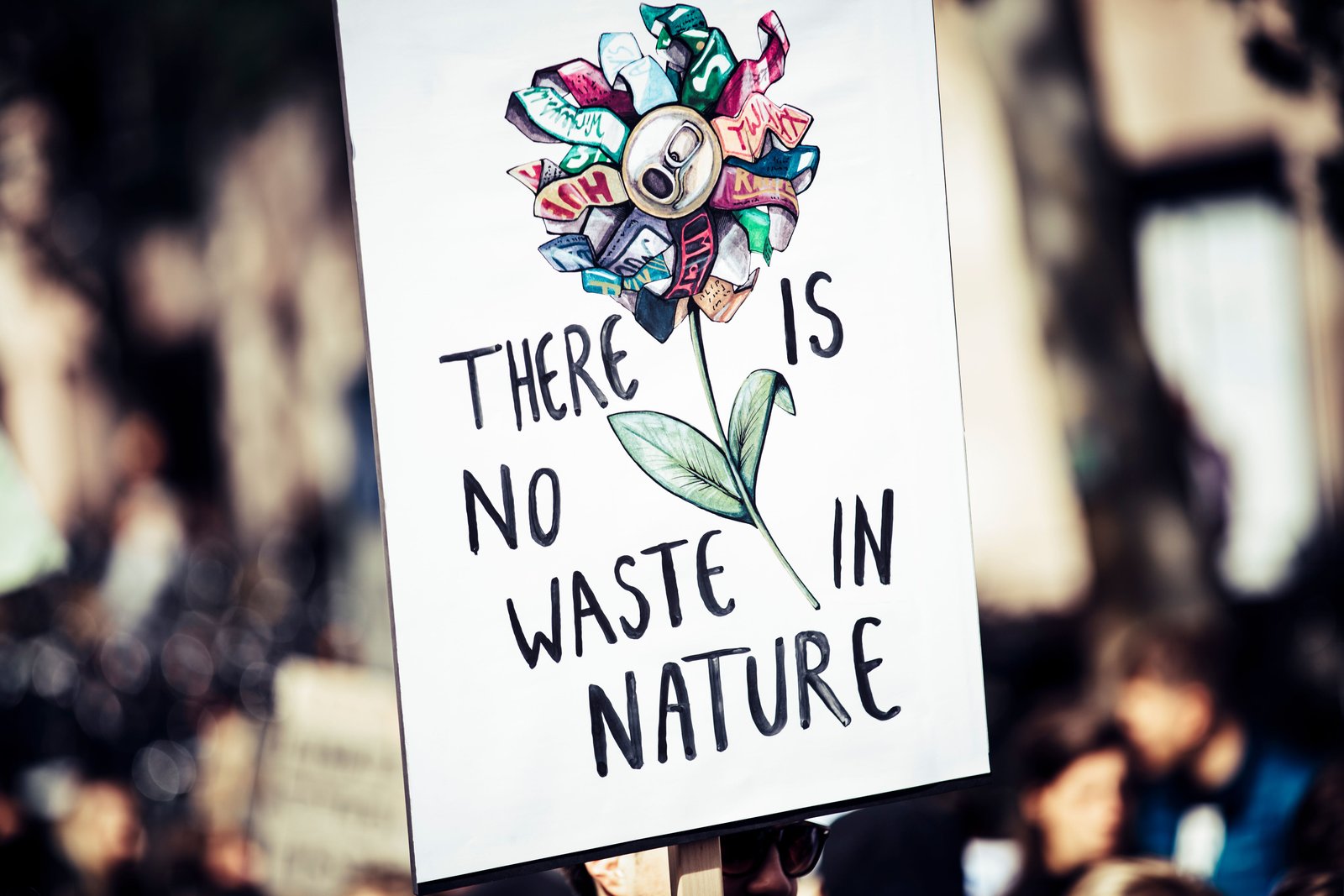
Reduce Plastic Waste
- Carry reusable cloth bags while shopping.
- Avoid single-use plastic products.
- Segregate recyclable waste at home.
- Support businesses that use eco-friendly packaging.
Plant and Protect Trees
- Plant native species suitable for your locality.
- Encourage schools and community groups to undertake plantation drives.
- Protect existing trees instead of only focusing on planting new ones.
Conserve Energy
- Switch off electrical appliances when not in use.
- Use LED lighting and energy-efficient appliances.
- Make maximum use of natural light and ventilation.
- Consider renewable energy options such as solar power whenever feasible.
Support Local and Sustainable Products
Buying locally produced goods reduces transportation-related emissions and supports local businesses and artisans. Sustainable consumption benefits both the economy and the environment.
Community Participation Matters
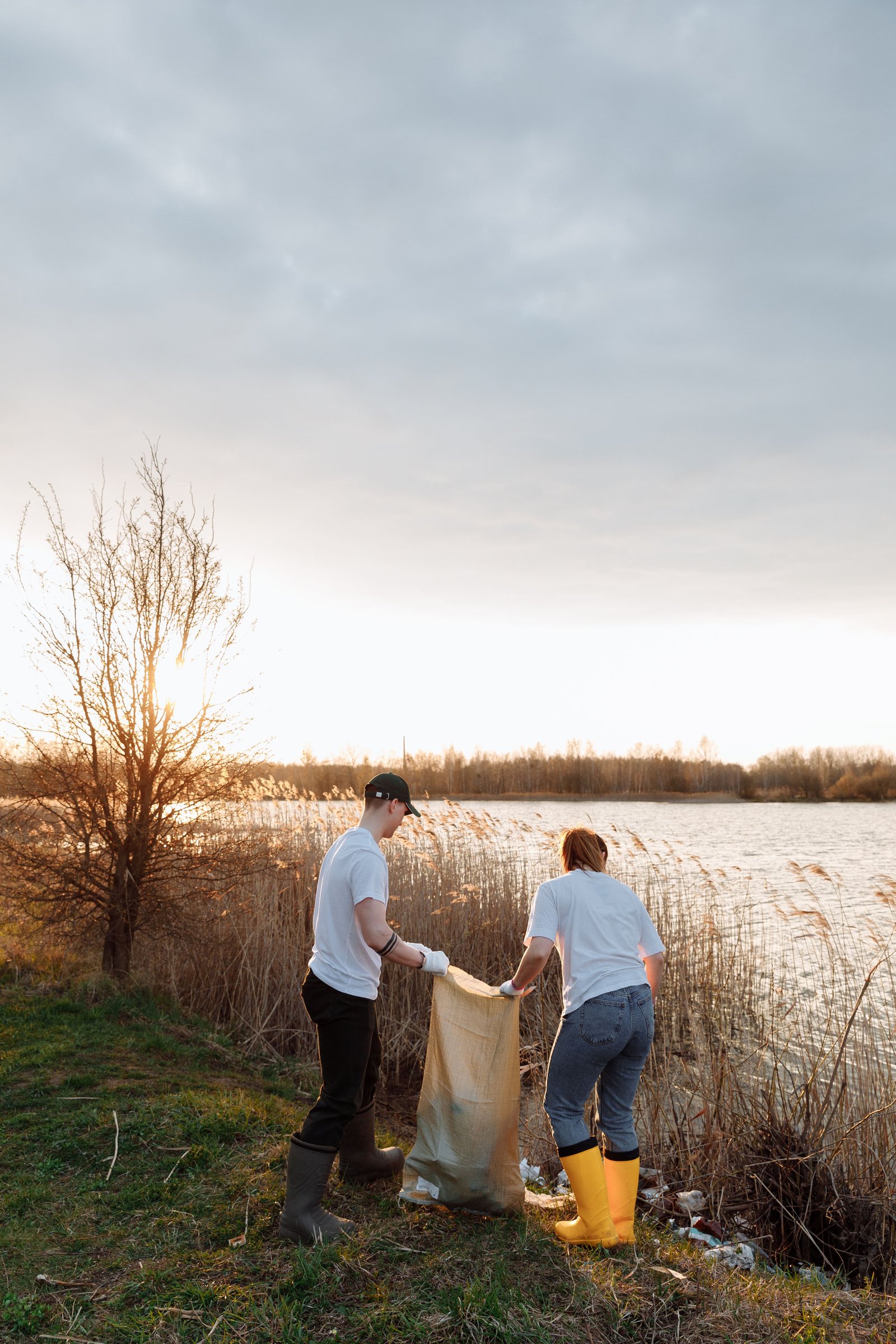
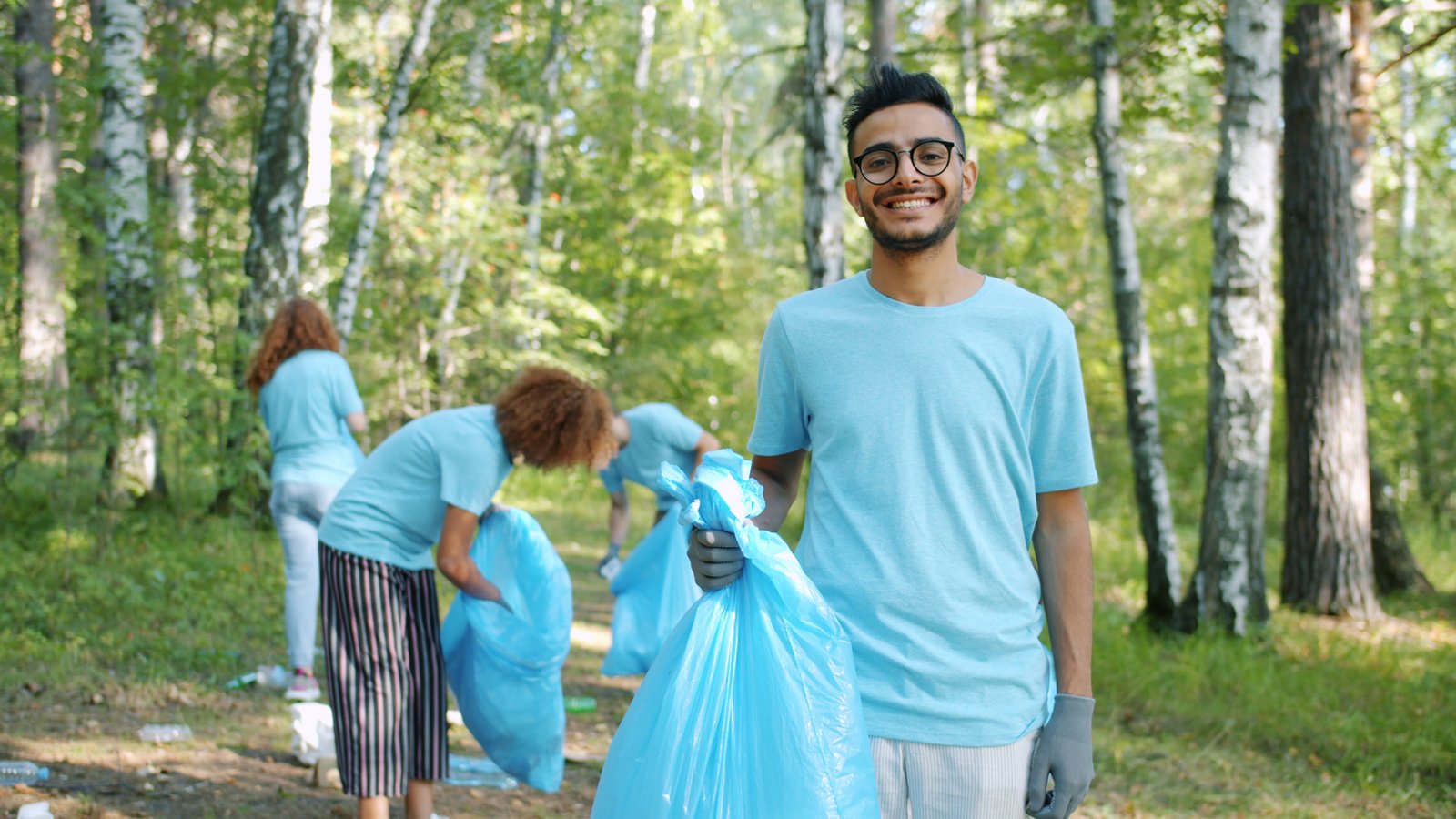
Environmental conservation becomes more effective when communities work together. Resident welfare associations, schools, local businesses, volunteers, and citizens can collectively:
- Organize cleanliness drives.
- Conduct awareness campaigns.
- Promote waste segregation and recycling.
- Develop community gardens.
- Share innovative environmental solutions.
Every positive action inspires others to participate.
The Role of Technology
Technology can play a major role in environmental protection. Smart irrigation systems, renewable energy technologies, water conservation solutions, pollution monitoring devices, and sustainable farming practices are helping create a greener future.
Digital platforms can also connect individuals, environmental experts, innovators, businesses, and communities to share ideas and solutions that contribute to sustainable development.
A Promise for Tomorrow
The environment does not belong solely to governments or environmental organizations. It belongs to every individual living on this planet. The responsibility of protecting it is shared by all of us.
Imagine if every household planted one tree, saved one bucket of water every day, and reduced its waste generation by half. Millions of small actions would collectively create a remarkable transformation.
The future of our environment will not be decided by a few extraordinary efforts. It will be shaped by the ordinary choices made by millions of people every single day.
Let us begin today—because protecting the environment is not about saving the Earth alone. It is about creating a healthier, safer, and more beautiful world for ourselves and the generations yet to come.